Viveka Coach Insights Coach Spotlight
The Body Isn't Giving You Instructions. It's Giving You Information.
A tight chest before a hard conversation. The urge to fix, to control, to disappear. Dr. Laurie Emery on See, Breathe, Stay, and what becomes possible when old protections are no longer driving the car.
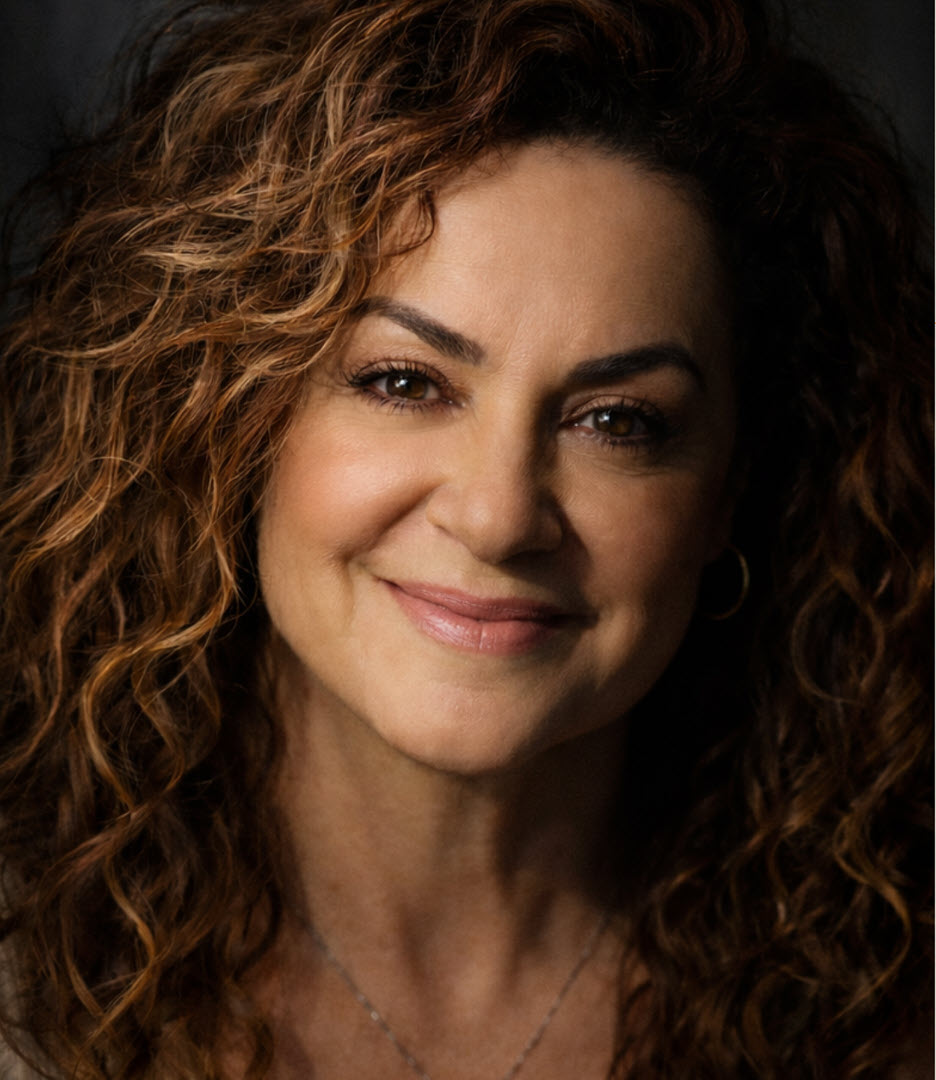
A tight chest before a hard conversation. The urge to fix, to control, to disappear. Dr. Laurie Emery, a psychologist turned ontological coach, has spent years watching clients treat these moments as commands: the body says run, so they run. Her work starts with a different premise. "The body is information," she says. "It isn't always instruction."
See, Breathe, Stay
That distinction sits at the center of a framework she teaches called See, Breathe, Stay. First, notice what's happening in the body without pathologizing it: a tightening chest, a dropped stomach, the pull to defend or disappear. Then breathe into it, not as a way to make the feeling vanish, but as a way of signaling willingness to stay present with it. Then stay, long enough to ask a different question than "what's wrong with me." The question is: what does this part of me believe will happen if I stay here?
That third step, staying, is where Emery says the real work happens, because most survival strategies exist to get a person out of an experience as fast as possible. "If rejection feels unbearable, I might leave before you can reject," she explains. "If conflict feels dangerous, I might go into people-pleasing. If uncertainty feels unsafe, I'll try to control everything." None of these strategies are flaws, in her view. They were intelligent adaptations once, built to secure love, safety, or belonging at a younger age. The problem isn't that they existed. It's that they're still driving decisions long after the danger that created them has passed.
Walking through, not going around
Emery draws a sharp line between what she calls "walking through" a pattern and "going around" it. Going around looks like growth from the outside: reading the books, understanding the psychology, explaining the childhood origin story perfectly. "Knowing why you do something is not the same thing as being free from it," she says. Walking through means eventually meeting the exact experience the pattern was built to avoid. Someone who fears rejection doesn't get free by understanding rejection intellectually. They get free by risking being fully seen and discovering they can stay with themselves regardless of the outcome.
She points to a client, a highly successful executive whose marriage was unraveling despite outward achievement, as an example. Over the course of their work, he recognized that his drive wasn't coming from purpose. It was coming from survival, a decades-old strategy for earning love and safety through performance. The breakthrough wasn't about becoming more ambitious or more disciplined. It was recognizing he no longer needed to keep proving his worth to feel it.
If the only time I can choose myself is when my nervous system is calm, then I'm not really free.
Dr. Laurie Emery
What freedom actually is
The line Emery keeps returning to is about freedom itself. Real freedom, in her framework, isn't the absence of old reactions. It's the old reactions still showing up, and no longer being the ones driving the car.
Her closing invitation is simple. The next time a reaction shows up that feels unwelcome, resist the instinct to ask what's wrong with you. Ask instead what it's trying to protect you from, and what might be possible if that protection were no longer needed.
You bring the transformation.
Viveka brings the infrastructure.
Scheduling, contracts, billing, client management and measurable outcomes in one connected practice. Apply to join more than 3,500 vetted coaches in the network.