Viveka Coach Insights Coach Spotlight
The Best Leaders Build People Who Outgrow Them
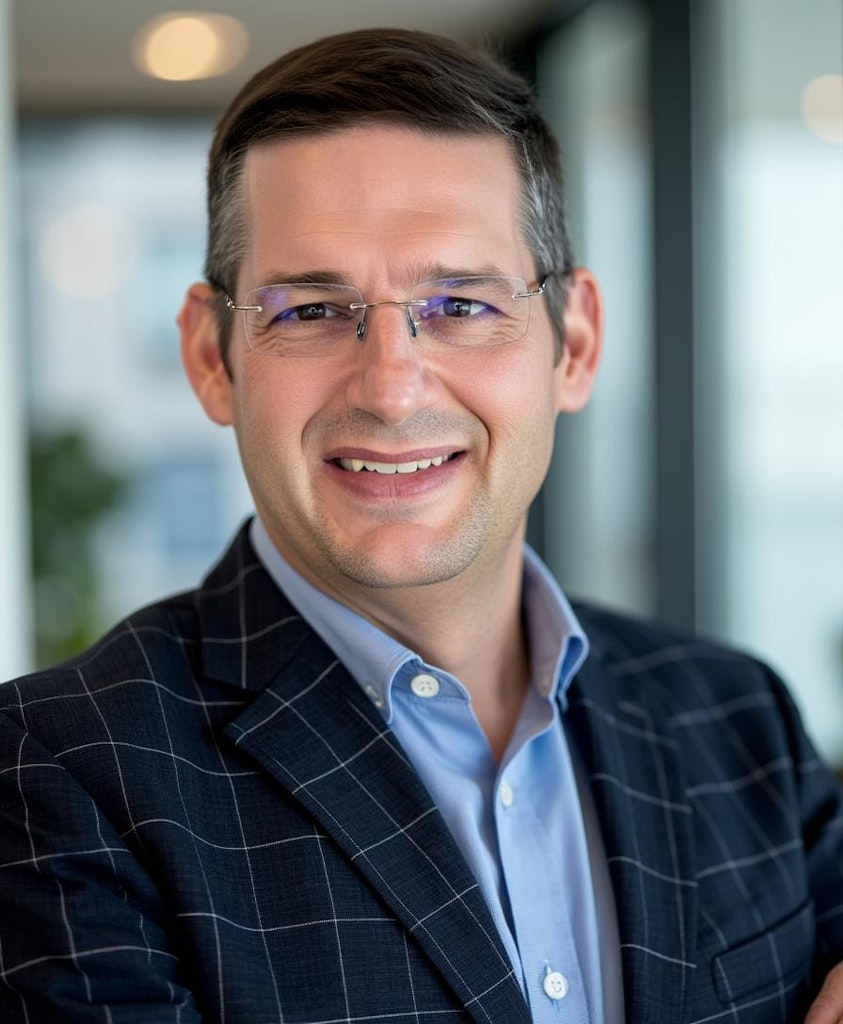
Bernie Kerschbaum ran a $30 million manufacturing company before he coached full time. His measure of a leader is not the work they hold on to. It is the people they make ready to take it.
Bernie Kerschbaum ran a $30 million manufacturing company as CEO before he stepped away to coach full time. He still remembers the moment that shaped how he thinks about leadership, and it did not happen in the corner office. It happened watching a new machine operator move, over four years, from the shop floor to team leader to supervisor to manager, until he ultimately took over Kerschbaum's own VP of operations role when Kerschbaum moved on.
"He put a lot of hard work in," Kerschbaum said. "He went back to school, got his associate's degree, and ultimately got his bachelor's degree in business administration." Kerschbaum felt comfortable handing over the role. Years later, that same person became CEO of another company entirely.
For Kerschbaum, that is the whole job. Not managing people, but developing them until they are ready to lead without you, and then having the discipline to let them.
How far ahead can someone see?
He traces the framework behind it to a concept called levels of work, from Tom Foster's book Hiring Talent: how far into the future a person can operate independently, without guidance. A shop-floor role might span a single shift. A supervisor role spans weeks. Further up, the horizon stretches to years. Kerschbaum uses the concept in nearly every coaching engagement, because it gives leaders a concrete way to answer a question they usually only feel: is this person ready for more, and how much more?
I can push people up, and I can see how far they go, and then give them a little breathing room and push them again.
Bernie Kerschbaum
Eventually, some people reach a real plateau. But in his experience, that plateau sits much further out than most people, and most organizations, assume.
The hard part is letting go
The harder part, he argues, is not the pushing. It is the letting go. "If you feel you cannot let go, if you say I have to control everything, then that certainly isn't the right person to work with me," Kerschbaum said.
He has seen the alternative play out with a current client, a business owner still doing hands-on work that belongs in someone else's job description, and unable to get the company past a revenue ceiling it has circled for years. The first few coaching sessions surfaced a hard realization: the owner himself was the bottleneck.
Love to uplift
Kerschbaum calls his underlying philosophy "love to uplift": the idea that a leader's real output is not the work they do, but the capacity they build in the people around them, and what happens when those people are trusted to use it.
One client, a mid-level manager who once could not step away from his desk for a single day, has since promoted two or three of his own team members into roles he used to hold. Another spun a department into its own company and now leads it, thinking in the multi-year horizons Kerschbaum once occupied as CEO.
"The willingness to do that," Kerschbaum said of letting a promoted employee eventually leave to lead somewhere else, "if you've built up the next level of your organization, you probably have enough people that could step into that and bring them in."
The measure of success is not who stays. It is who is ready to step up to the next level of leadership.
Sources and further reading
- Hiring Talent by Tom FosterThe levels of work framework referenced in this piece
- Vistage chair networkVistage Worldwide
- Bernie Kerschbaum on VivekaViveka Marketplace
You bring the transformation.
Viveka brings the infrastructure.
Scheduling, contracts, billing, client management and measurable outcomes in one connected practice. Apply to join more than 3,500 vetted coaches in the network.